Sermon text: Philippians 2:5-11
This “riches to rags to riches” account is not the usual tale of someone rising from nothing, but the reverse: Jesus, who held all the glory and power of God, willingly gave it up to live among us, and was then raised back to the highest place of honor. The passage picks up where Paul had been urging the church in Philippi toward unity — to stop pursuing their own interests and instead put others first. To make that idea concrete, Paul points them to Jesus Himself as the ultimate model of humility.
Jesus has always been fully God, sharing the same nature as the Father, not someone who became divine at some point. Unlike Lucifer, who tried to seize equality with God through pride, Jesus didn’t cling to His position. Instead, He “emptied Himself” — a phrase theologians call the kenosis — voluntarily setting aside the independent use of His divine power and relying on the Holy Spirit during His time on earth. This didn’t mean Jesus stopped being God; He simply chose not to lean on that power for His own advantage, even though the Gospels show He still performed miracles as signs pointing to who He was.
What makes this humility so striking isn’t just that Jesus left heaven — it’s how far He fell by human standards. He wasn’t born into wealth or status; He came into the world as a peasant, born to poor parents, raised in the overlooked town of Nazareth. He took on real human nature alongside His divine nature, a truth the early church had to defend against groups who claimed Jesus only appeared human or that His humanity and divinity were somehow separate. Scripture is clear: Jesus was, and remains, fully God and fully man.
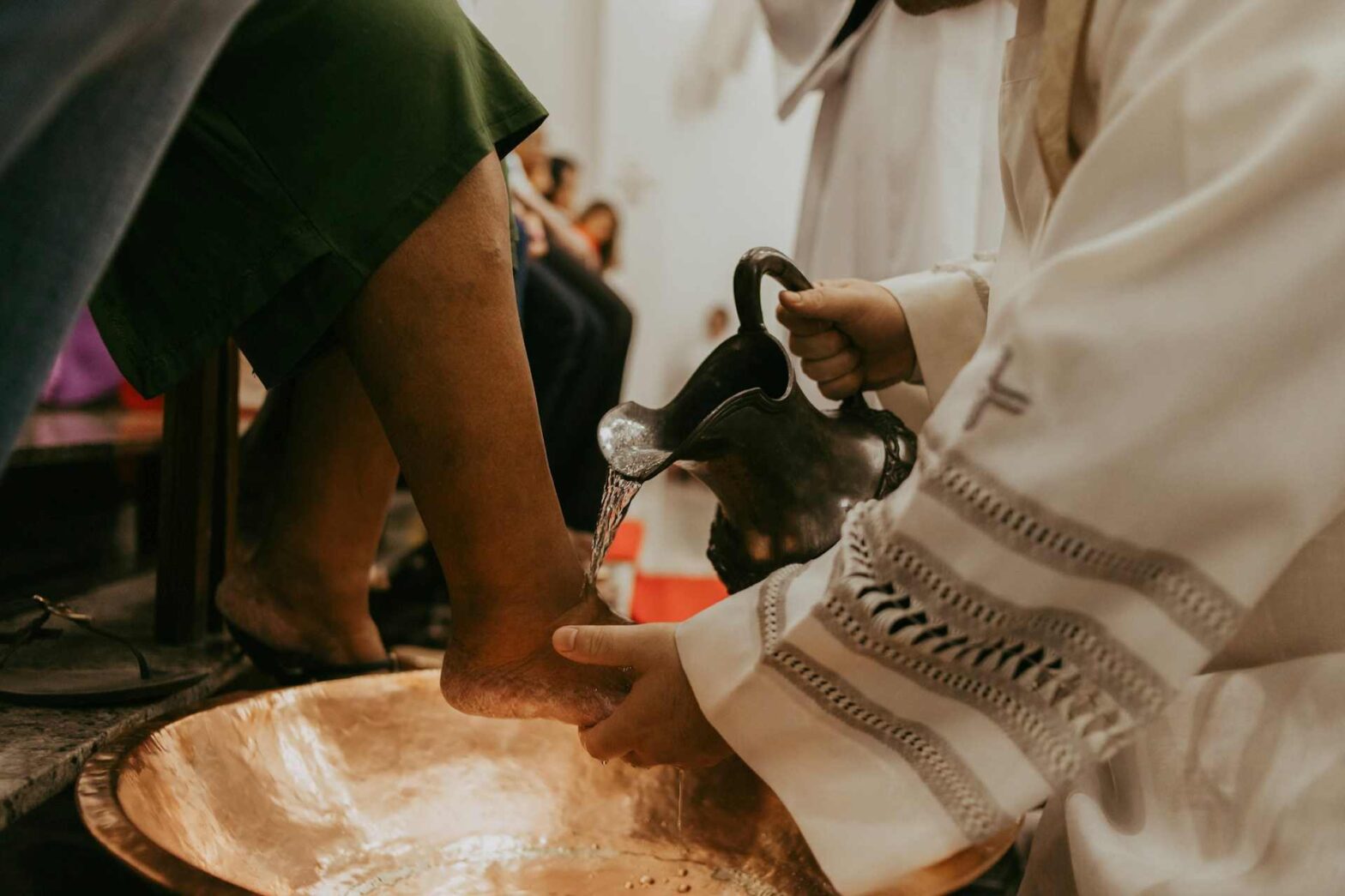
The clearest picture of this humility shows up in Jesus washing His disciples’ feet — a job considered so low that even Jewish servants were exempt from it — and ultimately in His death on the cross. That death wasn’t forced on Him; He set His face toward Jerusalem and went willingly, even though He could have called on legions of angels to rescue Him. It was His whole purpose from the beginning.
Because of that obedience, God the Father responded by highly exalting Him, giving Him the name and position above every other name. One day, every knee will bow to Jesus — some in joyful worship, and others in forced submission — but either way, His lordship will be acknowledged by all creation.
The same pattern of humility followed by honor applies to believers too, echoed in 1 Peter 5:6 — humble yourselves under God’s hand, and He will lift you up in His timing. The challenge is that many people want the exaltation without the humbling that comes first. The call is to stop chasing recognition, position, or applause, and instead follow Jesus’ example by loving God and putting others first — trusting that He takes care of the rest.
Header image by Thays Orrico on Unsplash.